Lab Operations
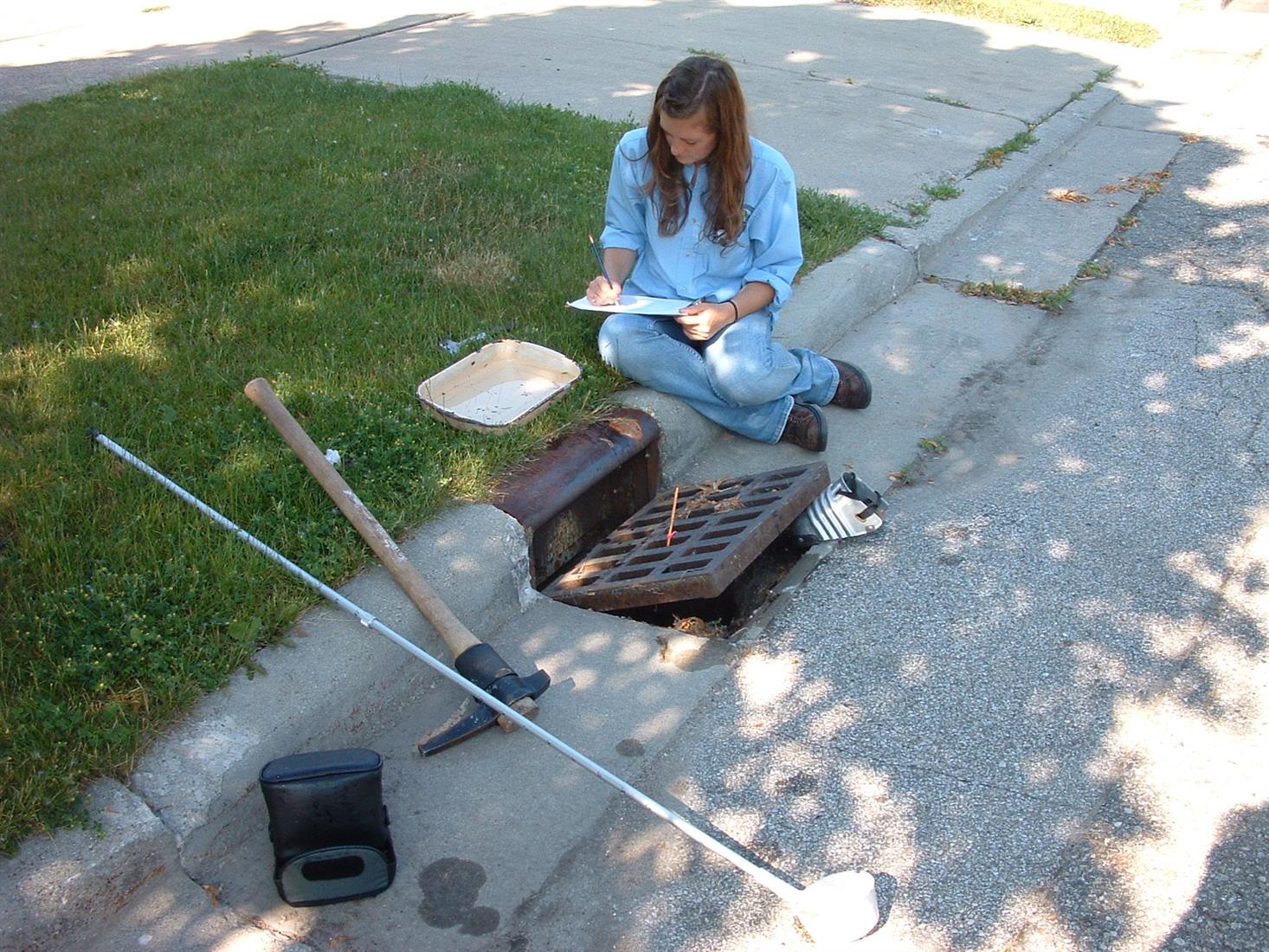
The Biology Department at Bay County Mosquito Control is the cornerstone of all Mosquito Control activities. A Biologist and two seasonal lab technicians conduct lab operations. Beginning in mid-March and continuing through September, larval and adult mosquito populations are tracked. With over thirty mosquito species in the Great Lakes Bay Region, surveillance of nuisance and disease-carrying mosquito populations is critical.
Larval Surveillance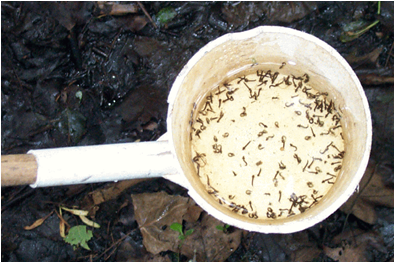
Known breeding sites are continually surveyed and sampled for mosquito larvae. Larval identification follows to determine which mosquito species are present in various habitats. Dippers, larval sampling tools, are used to scoop water for inspection.
Adult Mosquito Surveillance
Adult mosquitoes are primarily collected in one of three ways: New Jersey Light Traps, CDC Traps outfitted with carbon dioxide, and Gravid Traps. Collected mosquitoes are counted and identified in the lab by trained staff members. These collections are important because they indicate how many of each mosquito species are present, specify where the mosquitoes are, suggest which areas within the County need treatment, and provide a quantitative measurement of how well control methods are working.
Bay County Mosquito Control will be taking reports on dead bird sightings, such as homeowner name, address, phone number, crossroads, and township. While we are interested in collecting information about dead birds as part of our efforts to understand West Nile Virus (WNV), we will ONLY be collecting dead crows and blue jays in good condition (dead less than 24 hours with no maggots or odor). These two species are the most susceptible to the West Nile Virus and are the only species tested by the state. Birds will be collected from approximately May 1 through October 1.
Dead Bird Surveillance
Homeowners should report dead crows or blue jays to Bay County Mosquito Control at (989) 894-4555. Species other than crows and blue jays can be disposed of in the regular trash or buried. When handling birds, avoid barehanded contact. Instead, turn a plastic shopping bag inside out and scoop up the bird with the bag. Place the bagged carcass in an outdoor garbage can for disposal. We will not pick up live birds.
Quality Control
Biology staff members are responsible for ensuring that control materials are properly working and that field technicians are properly applying the materials. Studies are also done throughout the season for resistance testing. Furthermore, staff ensures the truck-mounted ULV (Ultra Low Volume) spray equipment utilized for adult mosquito fogging is calibrated to guarantee the minimum effective amount of chemical is dispensed. We measure the droplet size of the material, too, so that droplets are in the proper range (less than 30 microns with 90% of the spray contained in droplets smaller than 48 microns) according to label recommendations.
Control materials that are currently being used as well as new formulations are evaluated on a regular basis. It's essential to make sure that we are using the most effective and efficient products available on today's market while minimizing risk to the environment.